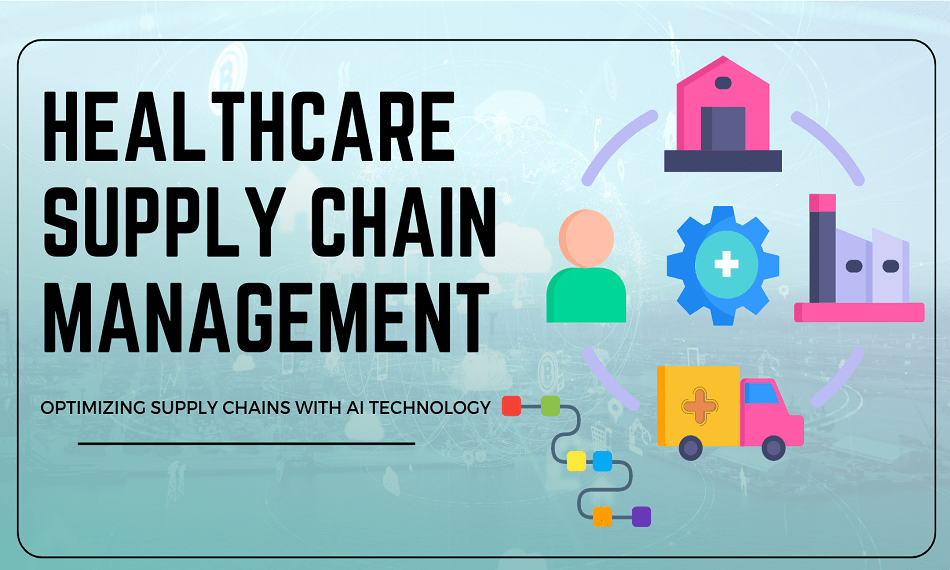
The healthcare landscape has evolved dramatically over the last few years, especially since the COVID-19 pandemic as it exposed critical weaknesses in medical supply chains worldwide. Hospitals struggled to source essential items like PPE, ventilators, and medications, not necessarily due to scarcity but because of poor procurement processes and coordination across vendors and facilities. This disruption became a serious wake-up call, highlighting the urgent need for intelligent systems to manage healthcare logistics. As a result, hospitals and healthcare networks began turning to advanced healthcare supply chain management software to bring clarity, speed and control to their operations. This technological advancement now forms the backbone of efficient medical operations. These solutions replace the broken manual processes with integrated digital workflows that handle procurement, inventory, and supplier relationships in real time. By automating repetitive tasks and leveraging data analytics, Healthcare Procurement Software has altered supply chain management into a strategic advantage such as elevating patient care and reducing operational costs.
Based on the market growth and future trends, the demand for healthcare supply chain management software is witnessing exponential growth. A study by Navigant states that hospitals in the U.S. alone could save billions of dollars annually through smarter supply chain practices. Despite this, many healthcare organizations rely on outdated systems that hinder progress. It appears that these institutions have yet to fully grasp the transformative potential of supply chain management software. Let’s dig in and explore how healthcare supply chain management software, including specialized healthcare procurement software is reshaping the future of healthcare logistics.
What is Healthcare Supply Chain Management Software?
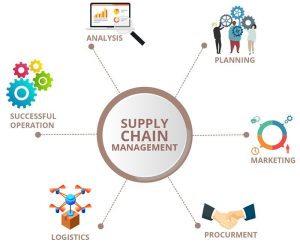
Healthcare supply chain management software is a suite of digital tools that manage and optimize the complex flow of medical supplies, equipment, pharmaceuticals, and related services across healthcare organizations. Unlike traditional systems, this software is built specifically to address the unique challenges of healthcare such as the timely delivery of medical goods, regulatory demands, and product traceability. When this solution is integrated with Healthcare procurement software, it streamlines the work of supply chains. The following are the key features of a modern healthcare supply chain software:
-
- Managing & Optimizing Inventory – The software monitors medical supplies, drugs, and equipment in real-time at all locations. Such smart reordering based on usage helps save money and reduce waste.
-
- Automated Buying Process – Healthcare software automatically helps choose suppliers, compare prices, manage contracts and handle orders. This high pace buying process keeps supplier relationships smooth and consistent.
-
- Smart Reports – Based on clear data and modern systems, users can check performance, find problems, and make better decisions.
-
- Track’s Products – These systems help follow healthcare rules by tracking every item from supplier to patient, and keep records of batch numbers, expiry dates.
-
- Regulatory Compliance – With strict scrutiny on healthcare compliance, the healthcare supply chain management software ensures all details for audits.
-
- Managing Suppliers – The easy-to-use tools available work better with suppliers, and avoid relying on a particular vendor, offering a better deal through negotiations.
-
- Integration with ERP and EHR Systems – Supply chain software are easily integrated with Electronic Health Record (EHR) systems and Enterprise Resource Planning (ERP) tools to enhance operational efficiency.
Advantages of Healthcare Supply Chain Management Software
Implementing a supply chain management software in a healthcare setting offers numerous advantages:
-
- Reduces Cost – By having details on overstock, waste and cost are significantly reduced.
-
- Better Assistance – With the timely availability of critical supplies, it impacts treatment success and patient satisfaction.
-
- Works Smartly – Automating routine tasks gives healthcare staff more time to focus on patient care.
-
- Managing Risks – Real-time tracking and alerts help prevent supply issues, ensuring all rules are followed.
-
- Going Green – Smart systems avoid making too much use of energy that helps sustain the environment.

Real-World Impact of Healthcare Supply Chain Management Software
-
- The popular Mayo Clinic, a world-renowned nonprofit medical center known for its patient care and research, uses a cloud-based supply system and cuts inventory costs by 23%, while also improving order accuracy and delivery speed.
-
- Mount Sinai Health System, a leading healthcare network uses AI-powered analytics in its supply chain and saved over $8 million on medical and surgical supplies in just one year.
-
- Apollo Hospitals, one of India’s largest and most trusted healthcare groups, uses this technology to improve tracking of surgical tools and has reduced instrument loss by 30%.
These real-life examples show the clear benefits and cost savings of using modern supply chain technologies.
Healthcare supply chain management software operates beyond its features, benefits, and case studies:
User Experience & Interface – A powerful system is only effective if it’s easy to use. Modern healthcare supply chain management software has role-based dashboards that cater to the specific needs of staff, clinicians, and administrators. These user-friendly interfaces reduce the learning curve, increase adoption rates, and improve operational accuracy. Features like mobile access, real-time alerts, and simple navigation empower healthcare teams to manage inventory, approve orders, and track supplies effortlessly.
AI & Machine Learning Capabilities – What sets this platform apart is its use of Artificial Intelligence (AI) and Machine Learning (ML). These technologies offer predictive insights. For instance, AI can forecast demand for critical items during flu season. This enables proactive decision-making, prevents overstocking, and improves cost-efficiency.
Continuous Training & Support – Continuous training and support are vital for long-term success of a healthcare supply chain management software. Leading software providers like Datagoaz offer comprehensive onboarding programs, help desks and dedicated account managers to ensure the user is never left behind.
Return on Investment (ROI) – Investing in supply chain software is a wise choice as the results speak for themselves. The ROI isn’t just financial, it’s also operational, as staff spend less time on paperwork and more time on patient care.
Conclusion
In an era defined by high costs, labour shortages and growing regulatory complexity, Healthcare Supply Chain Management Software is no longer a luxury, rather a strategic necessity. From tools that help with purchasing like healthcare procurement software to full supply chain systems, digital solutions are changing healthcare by making it faster, more affordable, and more focused on patients. As hospitals and clinics work to provide better care with limited resources, improving the supply chain is one of the most powerful yet often overlooked ways to make a difference. Using these technologies leads to a healthier, smarter, and more sustainable future. Datagoaz delivers high-quality solutions that simplify operations and has a team of outsource data entry service providers in texas. If you’re looking for reliable supply chain software, Datagoaz helps healthcare providers save costs, stay compliant, and deliver better patient care. The other aspects of services include virtual assistant in texas, and a range of IT solutions to help healthcare operations run smoothly.
Leave feedback about this