
Small and mid-sized companies rarely have the budgets or national reach of big brands, yet they compete for the same customers every day. Winning that attention now depends on how easily people can find you online. Local web marketing Services Bridge the gap by making your business visible on Google, Maps and social platforms at the exact moment nearby buyers are searching. Instead of relying on word of mouth alone, a structured digital presence keeps your name in front of real prospects driving clicks, calls and store visits.
Why Local Visibility Drives Growth
Today’s customer journey starts on a screen. Someone looking for a plumber, bakery or home repair service rarely flips through a phone book; they open Google, type a query like “best coffee shop near me,” check reviews and make a decision within minutes. If your business doesn’t appear, you hand that lead to a competitor.
“Near me” and city-based searches have surged across industries. People trust search engines to suggest the closest and most reliable options. For a local business, ranking well means more than traffic it means showing up in the exact moments when intent to buy is highest. Appearing in Google’s Map Pack, maintaining a polished Google Business Profile and keeping details consistent across listings directly influence whether a customer calls you or someone else.
Strong local visibility isn’t just about clicks; it builds credibility. Reviews, accurate hours, clear service descriptions, and photos reassure searchers that you are open, active, and ready to help. Over time, a trusted digital footprint turns casual browsers into repeat customers and community advocates.
Core Benefits of Local Web Marketing

Local web marketing is not about casting the widest net; it is about placing your message in front of the people most likely to visit, call, or buy. A focused strategy delivers results that generic advertising cannot.
Reach the Right Audience
By targeting search phrases tied to your city, neighborhood, or service area, you attract people who are actively looking for what you offer right now. These users are closer to making a purchase and far more valuable than broad, untargeted traffic.
Improve Conversion Rates
A user who finds you through a “near me” search already has intent. Clear directions, visible reviews, and quick contact options increase the likelihood that this searcher becomes a paying customer.
Maximize Return on Investment
Local campaigns avoid the wasted spend that comes from chasing national exposure you don’t need. Your budget goes toward clicks and calls from nearby prospects, giving you measurable ROI without inflated costs.
Stay Flexible and Timely
Community events, seasonal promotions, and sudden shifts in demand can be reflected in your listings and ads immediately. Quick adjustments keep you relevant without rebuilding your entire strategy.
Build Community Trust
Consistent details, positive reviews, and localized content signal that you are a stable, credible part of the neighborhood. Trust leads to repeat business, referrals, and a stronger brand reputation.
Building a Local Marketing Framework
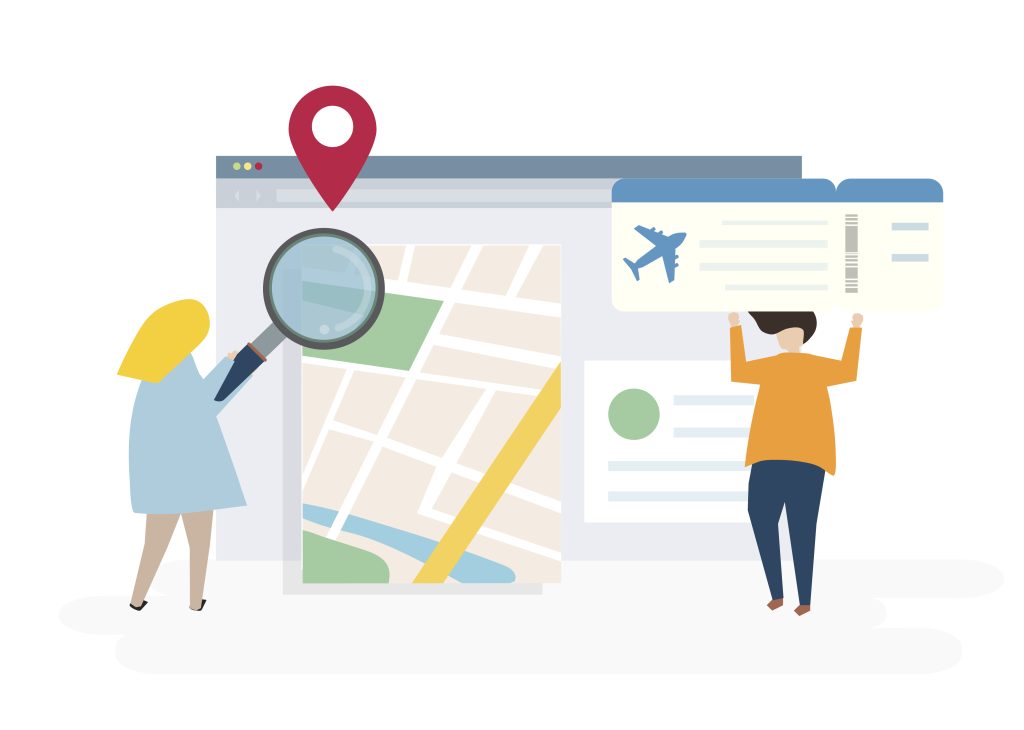
A scattered approach wastes money. An organized framework pulls all pieces of your digital presence together so every channel supports the same goal—bringing nearby customers to your door.
Essential Components
• Optimized Website – mobile-friendly design, fast load times, clear calls to action
• Local SEO Services – city-specific keyword research, on-page improvements, schema markup
• Google Business Profile Management – verified listing, updated hours, photos, review replies
• Accurate Directory Listings – identical name, address, and phone details across major platforms
• Social Media Engagement – geo-tagged posts, community updates, targeted local ads
Scalable Packages
Providers often offer starter plans for tight budgets and advanced tiers with deeper SEO, content marketing, and paid ads. Monthly or quarterly cycles make costs predictable, and upgrades are simple as results improve.
Why Structure Matters
When all channels are aligned, search engines see a clear, consistent signal about who you are and where you operate. Customers find the same information wherever they look, which reduces confusion and builds confidence to buy.
Practical Local SEO Tactics

Optimize for Location-Based Keywords
Work phrases like “plumber in [City]” or “family restaurant in [Neighborhood]” naturally into page titles, Meta descriptions, and headings. City names, neighborhoods, and landmarks help search engines connect you with nearby searchers.
Create Dedicated Location Pages
If you serve multiple areas, build a separate landing page for each. Include unique descriptions, local testimonials, driving directions, and photos that reflect the neighborhood. This gives search engines a strong reason to rank you for each area.
Claim and Refine Your Google Business Profile
A complete profile with correct hours, categories, and photos is essential. Post updates regularly, answer Q&A, and respond to reviews promptly—these actions boost both visibility and trust.
Keep NAP Details Consistent
Your name, address, and phone number must be identical everywhere—on your site, Google Maps, social channels, and business directories. Consistency prevents ranking issues and reassures users that your contact info is reliable.
Integrate “Near Me” Phrases Thoughtfully
Use these terms where they make sense service descriptions, blog titles, and FAQs—without stuffing. Pair them with content that demonstrates proximity, like service area maps or route details.
Strengthen Internal Linking
Link blogs to service pages, service pages to city pages, and related topics to each other. A clear link structure helps users navigate and show search engines how your pages connect, distributing authority across your site.
Using Tools and Platforms Wisely
Citation and Listing Management
Directories and map services pull information from many sources. A single mistake can ripple across the web. Platforms like Moz Local or Yext sync your name, address, and phone automatically so customers always see correct details.
Review and Reputation Tools
Reputation shapes decisions. Automated review requests sent after a purchase or visit encourage happy customers to share feedback. Dashboards that track ratings let you respond quickly to praise or resolve complaints before they damage trust.
Analytics and Performance Tracking
Google Analytics, Search Console, and Google Business Profile Insights show how visitors find you, which pages they use, and where leads come from. Reviewing this data regularly helps refine tactics and shift resources toward what works.
Social Scheduling and Geo-Tagging
Posting consistently is easier with scheduling tools. Geo-tags highlight the area you serve, increasing the relevance of every update. A steady flow of local content signals that your business is active and engaged with the community.
Benefits of Automation
Automation reduces manual errors, keeps data uniform, and allows you to act on insights faster. A well-managed toolkit complements your overall local web marketing strategy instead of replacing human judgment.
Social Media + Local SEO Integration

Leverage Social Citations
Every mention of your business name, address, and phone on Facebook, Instagram, or LinkedIn reinforces credibility. Search engines read these signals just like they read directory listings, helping confirm you are a legitimate local provider.
Post Locally Relevant Content
Highlight neighborhood events, local partnerships, or customer milestones. Sharing behind-the-scenes photos or quick service tips positions you as part of the community, not just a brand broadcasting ads.
Engage With Your Audience
Respond to comments, join local groups, and acknowledge mentions. Simple interactions build goodwill and show algorithms that people value your business.
Boost Reach With Geo-Tagged Posts
Geo-tagging photos and updates lets platforms surface your posts to nearby users. This is especially useful for restaurants, retail shops, and service providers that rely on foot traffic.
Align Messaging Across Channels
Keep offers, hours, and branding consistent between your website, Google Business Profile, and social pages. Consistency prevents confusion and reinforces your identity across every digital touchpoint.
Content That Connects Locally
Develop Hyper-Local Blog Posts
Write about topics people in your community care about—seasonal services, neighborhood events, or quick tips tied to local trends.
Create Service and Location Pages
Build individual pages for each core service and each city or area you serve. Include testimonials, FAQs, and driving directions.
Highlight Community Engagement
Feature sponsorships, partnerships, or charity work you’ve done locally. Content that shows genuine involvement builds trust.
Use Strategic Internal Linking
Link blog posts to related services, city pages to reviews, and FAQs to booking forms.
Refresh and Update Regularly
Seasonal changes, new products, and shifting customer questions keep your market moving. Updating older posts signals to search engines that your site is active.
Structuring a Site for Local Search
Keep Navigation Simple
Group pages logically—home, services, locations, blog, contact—and keep key sections close to the homepage.
Create Dedicated Location Pages
If you serve multiple cities or neighborhoods, build a separate page for each with local photos, testimonials, and directions.
Use Consistent NAP Details
Your business name, address, and phone must appear the same on every page.
Optimize Meta Data and Headings
Write clear titles and descriptions that include the city or service area naturally.
Link Related Content
Connect service pages to city pages, blogs to services, and FAQs to booking forms.
Showcase Trust Signals
Display reviews, certifications, and recognizable logos prominently.
Measuring and Improving Results
Monitor Local Keyword Rankings
Track how your pages perform for city and neighborhood phrases.
For know more check this: BPO Virtual Assistant Services That Can Save You Time and Money
Track Organic Traffic
Use Google Analytics and Search Console to see how many visitors arrive through unpaid search.
Measure Leads and Conversions
Track calls, form submissions, bookings, and store visits.
Leverage Google Business Profile Insights
Check search views, direction requests, calls, and website clicks.
Evaluate Social Engagement
Monitor likes, comments, shares, and referrals from platforms.
Adjust Based on Findings
Analyze high-performing pages and replicate what works elsewhere.
Selecting the Right Partner
Look for Clear Deliverables
A trustworthy provider spells out exactly what’s included.
Review Case Studies and Proof
Ask for real examples of local campaigns improved.
Understand Pricing and Terms
Choose a plan that matches your budget and expectations.
Check for Industry Familiarity
Experience with your sector means less ramp-up time.
Ensure Scalability
Pick a partner that can grow with your business.
Demand Regular Reporting
Reports showing rankings, traffic, and lead flow build confidence.
Common Mistakes to Avoid in Local Web Marketing
Ignoring Long-Tail and “Near Me” Keywords
People searching “electrician near me” or “affordable plumber in [City]” have higher intent.
Allowing Listings to Drift Out of Date
Inconsistent details confuse search engines and customers.
Overlooking Reviews and Reputation
Responding quickly strengthens trust.
Publishing Generic, Non-Local Content
Hyper-local posts and guides keep you relevant.
Relying Only on Paid Ads
Balance ads with organic SEO for lasting growth.
Failing to Measure Performance
Consistent reporting lets you double down on what works.
Conclusion & Key Takeaways
Visibility at the local level is no longer optional—it decides who wins a customer’s call or click. A clear, consistent digital footprint supported by solid SEO, accurate listings, and genuine community engagement gives small and mid-sized businesses an edge.
Strong local web marketing isn’t about chasing every trend; it’s about showing up where your neighbors already search, offering proof you’re reliable, and making it easy for them to reach you.
Investing in professional local web marketing services turns scattered efforts into a unified growth strategy. Each listing, review, blog post, and social update works together to signal trust and relevance, turning digital searches into real-world sales.
Frequently Asked Questions
What is local web marketing?
Local web marketing promotes a business online within a defined geographic area using local SEO, Google Business Profile optimization, directory listings, reviews, and targeted ads.
How does local web marketing work?
By optimizing your site and listings with city names, service areas, and clear contact details, you appear in local search results and map listings, helping convert online interest into calls, visits, and bookings.
Why is local SEO important for small businesses?
Local SEO improves visibility for searches with geographic intent. Optimized profiles, consistent contact details, and reviews help your business show in Google’s map pack and organic results.
Do local web marketing services improve Google rankings?
Yes. Keyword placement, accurate listings, strong reviews, and quality backlinks help your business rank higher, especially for city or neighborhood queries.
Can local web marketing increase foot traffic?
Yes. Accurate hours, positive reviews, and clear directions on maps encourage in-store visits.
Are social media ads part of local web marketing?
Yes. Platforms like Facebook and Instagram allow geo-targeted ads that boost awareness and encourage visits from nearby users.
Is local web marketing different from broader digital marketing?
Digital marketing covers large or national audiences, while local web marketing narrows efforts to people likely to buy in a specific area. Focusing on map listings, reviews, and city-based keywords converts nearby searches into real visits and sales.



Leave feedback about this